Unlock Gardening Success in the Front Range: Front Range Gardening Tips

Gardening in the Front Range of Colorado is a unique adventure. The climate, soil, and elevation all play a role in how your garden grows. I’ve spent years learning what works best here, and I’m excited to share some practical tips that will help you unlock gardening success in this beautiful region. Whether you’re just starting out or looking to improve your green thumb, these insights will guide you toward a thriving garden.
Understanding the Front Range Climate and Soil
One of the first things I learned as a gardener in the Front Range is that the climate can be a bit tricky. We experience a semi-arid climate with low humidity, high elevation, and a wide range of temperatures. This means plants need to be drought-tolerant and able to handle sudden weather changes.
The soil here tends to be sandy or clay-heavy, often lacking in organic matter. To give your plants the best start, it’s essential to improve your soil by adding compost or well-rotted manure. This not only enriches the soil but also helps retain moisture, which is crucial in our dry environment.
Tips for soil preparation:
Test your soil pH; most Front Range plants prefer a pH between 6.0 and 7.5.
Add organic matter regularly to improve texture and fertility.
Mulch around plants to conserve moisture and regulate soil temperature.
Essential Front Range Gardening Tips for Every Season
Gardening here means adapting to the seasons. Spring can bring late frosts, summers are hot and dry, and winters are cold with occasional snow. Knowing when and what to plant is key.
Spring:
Start seeds indoors early to get a jump on the growing season.
Plant cool-season crops like lettuce, spinach, and peas as soon as the soil can be worked.
Protect young plants from late frosts with row covers or cloches.
Summer:
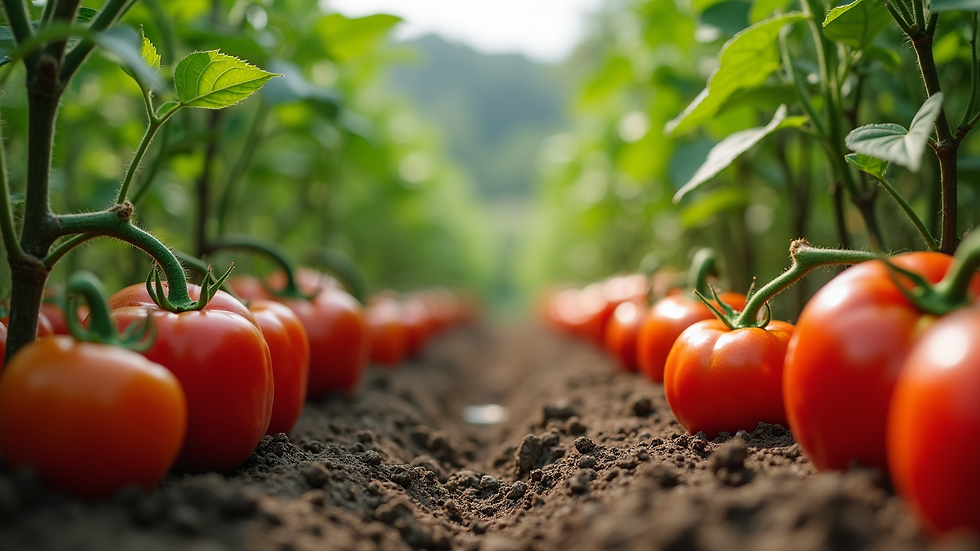
Focus on heat-tolerant plants such as tomatoes, peppers, and herbs.
Water deeply but less frequently to encourage strong root growth.
Use shade cloths during the hottest part of the day to prevent sunscald.
Fall:
Plant garlic and cover crops to improve soil health.
Harvest remaining vegetables before the first hard frost.
Clean up garden beds to reduce pests and diseases.
Winter:
Plan your garden layout and order seeds.
Protect perennial plants with mulch or burlap wraps.
Enjoy the slower pace and dream about next season’s garden.
Choosing the Right Plants for the Front Range
Selecting plants that thrive in our unique environment is one of the best ways to ensure gardening success. Native plants and drought-tolerant varieties are excellent choices because they are adapted to local conditions.
Recommended plants for the Front Range:
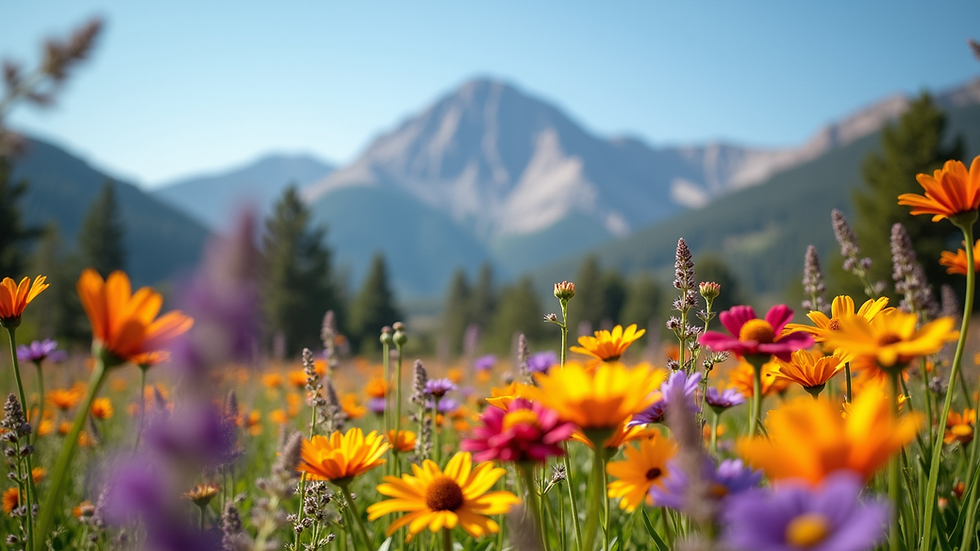
Perennials: Purple coneflower, blanket flower, and Russian sage.
Vegetables: Tomatoes, peppers, beans, and squash.
Herbs: Lavender, thyme, and oregano.
Shrubs: Rocky Mountain juniper and serviceberry.
When choosing plants, consider their water needs, sun exposure, and soil preferences. Grouping plants with similar requirements together makes watering and care easier.
If you want personalized advice tailored to your garden’s specific conditions, consulting a front range gardening expert can be a game-changer. They can help you select the best plants and design a garden that flourishes year-round.
Watering Wisely in a Dry Climate
Water management is a big part of gardening success here. Because the Front Range is dry, overwatering can be just as harmful as underwatering. The goal is to keep plants hydrated without wasting water.
Watering tips:
Water early in the morning or late in the evening to reduce evaporation.
Use drip irrigation or soaker hoses to deliver water directly to the roots.
Check soil moisture before watering by sticking your finger about an inch into the soil.
Mulch heavily to retain moisture and keep roots cool.
Group plants with similar water needs to avoid overwatering some while underwatering others.
By watering wisely, you’ll help your plants develop deep roots and become more resilient to drought.
Creating a Garden That Grows with You
Gardening is a journey, and your garden should evolve as you learn and grow. Start small if you’re new, and gradually expand your space and plant variety. Keep a garden journal to track what works and what doesn’t. This will help you make better decisions each season.
Don’t be afraid to experiment with new plants or techniques. Attend local workshops or classes to connect with other gardeners and gain fresh ideas. Remember, every gardener faces challenges, but with patience and persistence, your garden will reward you with beauty and bounty.
Gardening in the Front Range is a rewarding experience that connects you to nature and your community. With these front range gardening tips, you’re well on your way to creating a garden that thrives in this special place.
Happy gardening!

Comments