Designing Your Dream Garden in Pikes Peak: A Personal Journey to Green Bliss

Creating a garden that feels like your own little paradise is a dream many of us share. Living near Pikes Peak, I’ve discovered that designing a garden here is both a joyful challenge and a rewarding adventure. The unique climate, soil, and elevation call for thoughtful planning and a bit of creativity. Whether you’re starting fresh or refining an existing space, I’m excited to share insights and tips that will help you bring your dream garden to life in this beautiful region.
Embracing Pikes Peak Garden Design: What Makes It Special?
Designing a garden in the Pikes Peak area means working with nature’s distinct personality. The elevation, which sits around 6,000 to 7,000 feet, brings cooler temperatures and a shorter growing season than many other parts of Colorado. This means your plant choices and garden layout need to be smart and strategic.
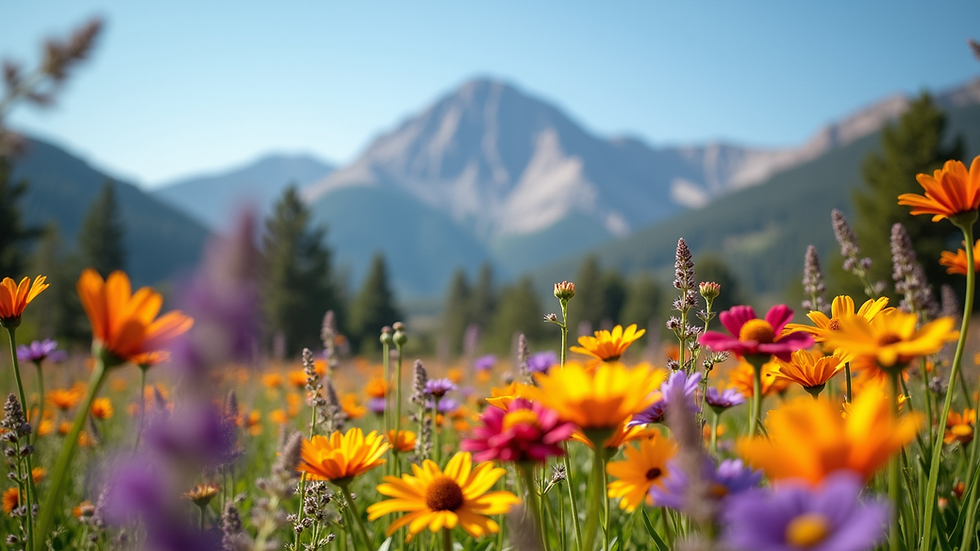
One of the first things I learned is to choose plants that thrive in high-altitude conditions. Native plants like columbine, penstemon, and blue flax are not only stunning but also well-adapted to the local environment. They require less water and care, which is a big plus in our sometimes dry climate.
Another important factor is soil quality. The soil here can be rocky and alkaline, so amending it with organic matter like compost is essential. This improves drainage and nutrient content, giving your plants a better chance to flourish.
When planning your garden layout, think about sun exposure and wind protection. Pikes Peak’s sunny days are wonderful, but the wind can be harsh. Positioning taller plants or installing windbreaks can create a more sheltered microclimate for delicate flowers and vegetables.
Practical Tips for Designing Your Pikes Peak Garden
Now that we understand the basics, let’s dive into some practical steps to make your garden design a success.
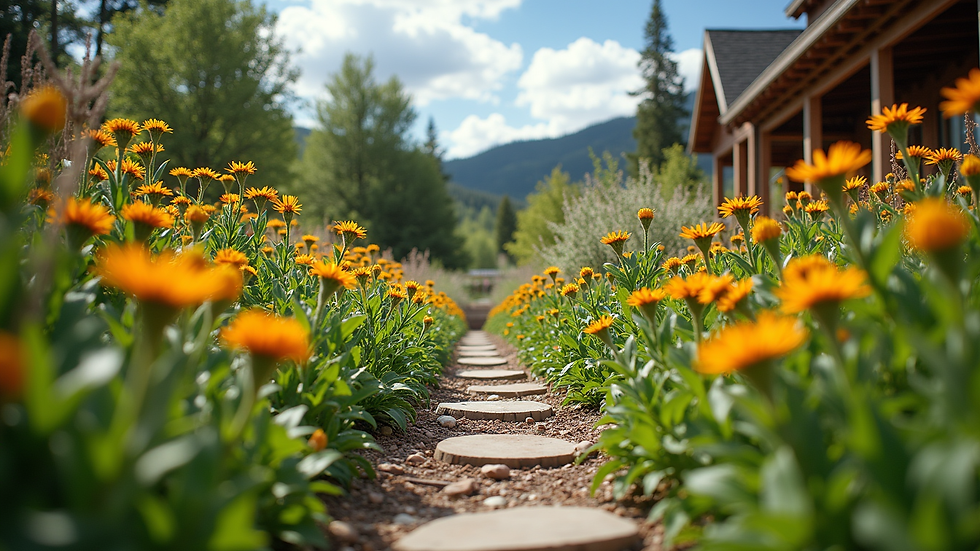
Start with a clear vision - Sketch your garden layout on paper or use a digital tool. Include paths, seating areas, and plant beds. This helps you visualize the space and make adjustments before planting.
Select plants wisely - Mix native plants with hardy perennials and annuals that can handle the climate. Consider drought-tolerant species to save water and reduce maintenance.
Plan for year-round interest - Choose plants that bloom at different times and include evergreens for winter color. This keeps your garden lively and inviting through all seasons.
Incorporate water features or containers - A small fountain or container garden can add charm and flexibility. Containers are great for experimenting with plants that might need extra care.
Use mulch generously - Mulching helps retain moisture, suppress weeds, and protect roots from temperature swings.
Think about wildlife - Adding bird feeders, butterfly-friendly plants, and pollinator gardens can bring your garden to life and support local ecosystems.
If you want expert help, I highly recommend checking out pikes peak gardensca services. They offer personalized coaching and classes that can guide you through every step of your garden journey.
What is the 70/30 Rule in Gardening?
One gardening principle I find incredibly helpful is the 70/30 rule. It’s a simple guideline that suggests your garden should be about 70% plants that are easy to maintain and 30% plants that require a bit more attention. This balance keeps your garden manageable and enjoyable without overwhelming you.
For example, in Pikes Peak, you might choose 70% native and drought-tolerant plants that thrive with minimal care. The remaining 30% could be your favorite flowers or vegetables that need regular watering or pruning. This way, you get the best of both worlds - a beautiful garden that feels personal but doesn’t become a full-time job.
Applying this rule also helps with budgeting your time and resources. You can focus your energy on the plants that bring you the most joy while letting the hardy ones do their thing quietly in the background.
Designing for Sustainability and Water Conservation
Water conservation is a big deal in Colorado, and designing your garden with sustainability in mind is both responsible and rewarding. Here are some ideas I’ve found useful:
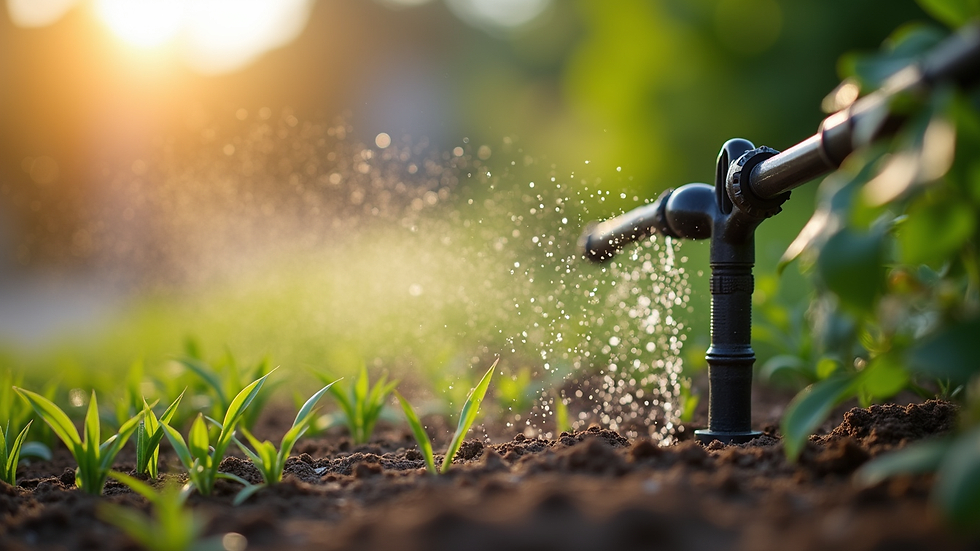
Install drip irrigation - This delivers water directly to the roots, reducing waste and keeping plants healthy.
Collect rainwater - Use rain barrels to capture runoff from your roof. It’s a free and eco-friendly water source.
Choose native and drought-resistant plants - As mentioned earlier, these plants naturally need less water.
Group plants by water needs - This makes watering more efficient and prevents overwatering.
Use permeable materials for paths and patios - These allow rainwater to soak into the ground rather than running off.
By incorporating these strategies, your garden will not only look great but also contribute to conserving precious water resources.
Bringing Your Garden to Life: Personal Touches and Final Thoughts
The best gardens are those that reflect who you are. Don’t be afraid to add personal touches like a cozy bench, a whimsical sculpture, or a colorful birdhouse. These elements make your garden feel like a true extension of your home.
Remember, gardening is a journey. There will be successes and lessons along the way. Celebrate the small victories, like the first bloom or a new butterfly visitor. And if you ever feel stuck, reaching out to local experts or joining gardening groups can provide support and inspiration.
Designing your dream garden in Pikes Peak is about blending nature’s gifts with your creativity. With patience, planning, and a little help from resources like pikes peak gardensca services, you can create a space that brings peace, beauty, and joy for years to come.
Happy gardening!

Comments