Gardening Made Easy in High Altitudes: High-Altitude Gardening Tips

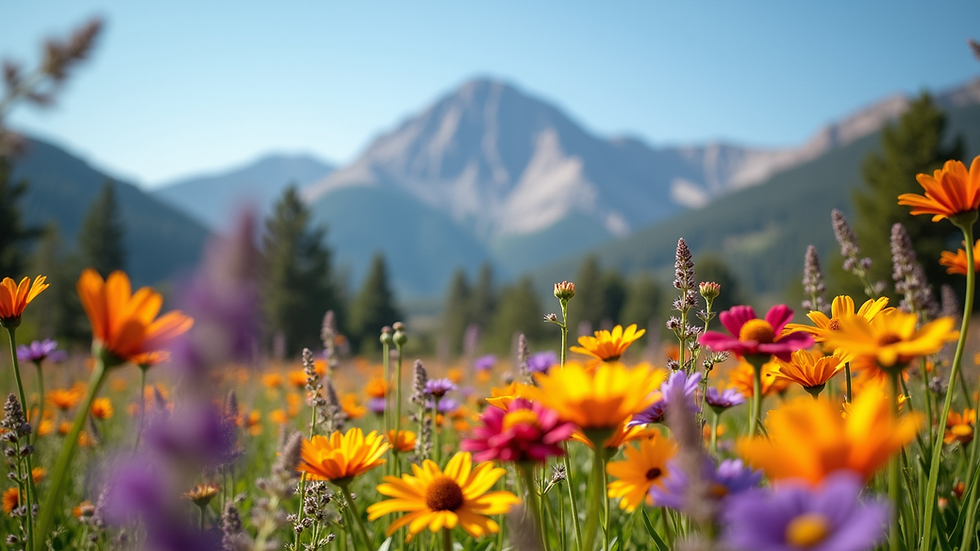
Gardening at high altitudes can feel like a whole new adventure. The crisp air, stunning mountain views, and unique climate make it a rewarding experience, but it also comes with its own set of challenges. If you’ve ever wondered how to grow a thriving garden when the air is thinner and the growing season shorter, you’re in the right place. I’m here to share some practical, easy-to-follow tips that will help you succeed in your high-altitude garden.
Understanding the Challenges of High-Altitude Gardening
Before we dive into the tips, it’s important to understand what makes gardening at high altitudes different. The main challenges include:
Lower oxygen levels and thinner air: This affects plant growth and can slow down development.
Cooler temperatures and frost risk: Nights can be chilly even in summer, and unexpected frosts can damage plants.
Intense sunlight and UV radiation: Plants can get sunburned more easily.
Shorter growing seasons: The window for planting and harvesting is narrower.
Knowing these factors helps you plan better and choose the right plants and techniques.

High-Altitude Gardening Tips for a Successful Garden
Now, let’s get into some actionable tips that will make your gardening journey smoother and more enjoyable.
1. Choose the Right Plants
Selecting plants that naturally thrive in cooler, high-altitude environments is key. Look for:
Cold-hardy vegetables like kale, spinach, radishes, and carrots.
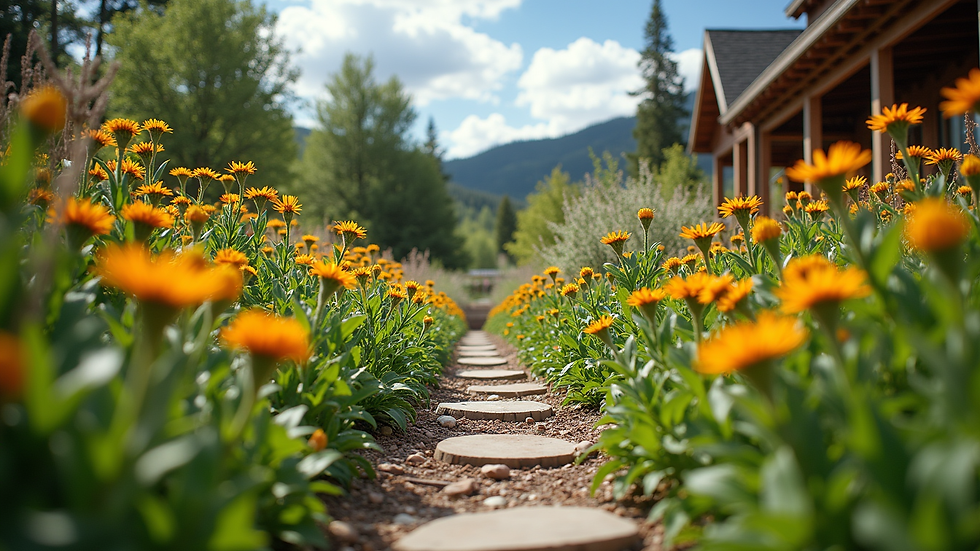
Perennials and native plants adapted to your region’s climate.
Short-season varieties that mature quickly before the first frost.
Starting with the right plants gives you a head start and reduces frustration.
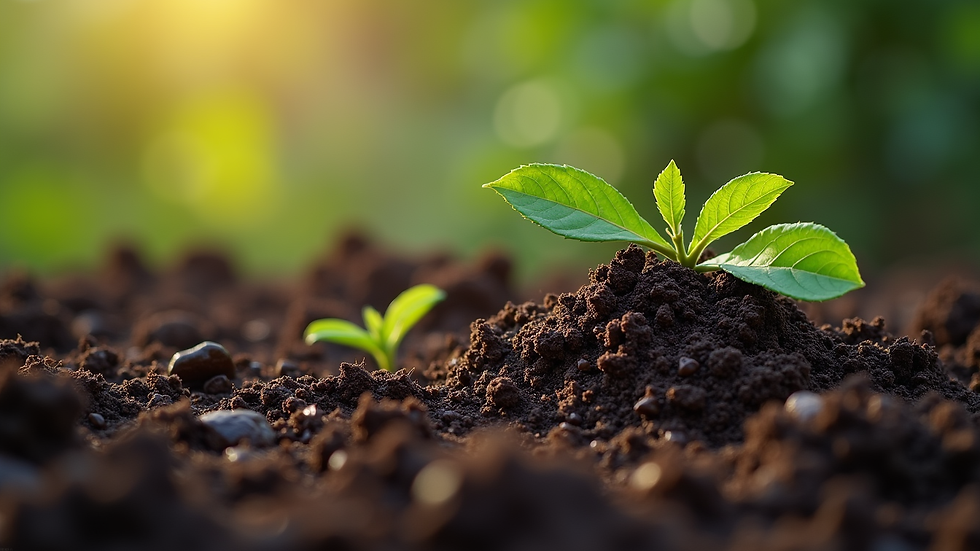
2. Prepare Your Soil Well
Soil quality can vary greatly at high altitudes. Here’s how to get your soil ready:
Test your soil pH and nutrient levels to know what amendments are needed.
Add organic matter like compost or aged manure to improve fertility and moisture retention.
Use raised beds to improve drainage and warm the soil faster in spring.
Healthy soil is the foundation of a thriving garden.
3. Protect Your Plants from Frost and Wind
Frost can sneak up on you, so it’s important to be prepared:
Use row covers or frost blankets to shield plants during cold nights.
Plant near natural windbreaks like fences, shrubs, or trees to reduce wind damage.
Consider cold frames or cloches for extra protection and to extend your growing season.
These simple steps can save your plants from unexpected weather.

4. Water Wisely and Consistently
Watering at high altitudes requires attention because the air is drier and evaporation happens faster:
Water early in the morning to reduce evaporation and allow plants to absorb moisture.
Use drip irrigation or soaker hoses to deliver water directly to roots.
Mulch around plants to retain soil moisture and regulate temperature.
Consistent watering helps plants stay healthy and resilient.
5. Maximize Sunlight Exposure
Sunlight is intense but can be limited by shorter days and mountain shadows:
Position your garden in the sunniest spot available to get at least 6-8 hours of sunlight.
Use reflective surfaces like light-colored walls or stones to bounce extra light onto plants.
Prune nearby trees or shrubs that may cast unwanted shade.
More sunlight means stronger, happier plants.
Tools and Techniques That Make High-Altitude Gardening Easier
Gardening doesn’t have to be complicated. Here are some tools and techniques that can simplify your work:
Raised beds: They warm up faster and improve drainage.
Cold frames and greenhouses: Extend your growing season and protect tender plants.
Soil thermometers: Help you know the best time to plant.
Mulching: Conserves moisture and keeps soil temperature stable.
Succession planting: Planting crops in intervals to maximize harvest.
Using these tools and methods can boost your garden’s productivity and reduce stress.
Where to Find High Altitude Gardening Help
If you ever feel stuck or want personalized advice, don’t hesitate to seek out high altitude gardening help. There are experts and local gardening groups who understand the unique conditions of Colorado’s high-altitude gardens. They can offer tailored coaching, workshops, and resources to help you grow with confidence.
Embracing the Joy of High-Altitude Gardening
Gardening at high altitudes is a special experience. It connects you with nature in a unique way and rewards your efforts with fresh, homegrown produce and beautiful landscapes. Remember, every gardener faces challenges, but with patience, the right knowledge, and a little creativity, you can create a flourishing garden that thrives in the mountains.
So, grab your gloves, pick your favorite seeds, and start planting. Your high-altitude garden adventure awaits!
Happy gardening!
Comments